In today’s business world, it is common for teams to be spread across the globe, with much of the communication taking place digitally. We work across borders and time zones, sometimes using shared tools – and just as often, completely separate ones.
Global reach brings new challenges: How do we collaborate effectively when our cultural backgrounds differ? How do we build a corporate culture that navigates crises while fostering renewal at a time when we must collectively manage geopolitical challenges?
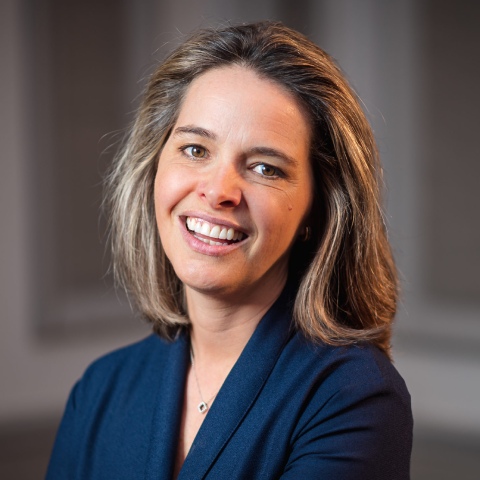
This is where Erin Meyer, professor at INSEAD, comes into the picture. She has devoted her career to exploring this challenge, helping leaders navigate complex cultural contexts. Her methods and groundbreaking strategies assist global organizations in turning cultural differences from potential obstacles into one of their strongest assets.
Making the Invisible Visible – “The Culture Map”
When people with completely different backgrounds collaborate, the result can be dynamic and innovative. However, it can just as easily lead to misunderstandings and inefficiency. Even seasoned leaders often lack concrete strategies for managing cross-cultural complexity on a daily basis.
“The Culture Map” framework is based on Erin Meyer’s studies of communication patterns and business systems from around the world. It allows international leaders to map out their own leadership style and compare it to working methods in other cultures.
Instead of viewing culture as soft and vague, Erin provides actionable tools to bridge gaps and leverage culture as a strategic asset to collaborate more effectively across borders.
Innovation, Speed, and Flexibility – Lessons from Netflix
To explore how to build an organizational culture that fosters adaptability and renewal, Erin conducted a study alongside Reed Hastings, co-founder and CEO of Netflix. They presented their findings in the international bestseller “No Rules Rules.”
In the book, they outline principles for building a culture focused on innovation, speed, and flexibility. Through concepts such as increased “talent density” and candid feedback (“Radical Candor”), they demonstrate how organizations should value people over processes, and lead with context rather than bureaucratic control.
The takeaway:
Leading a multicultural team requires more than just goodwill. It demands the right strategy, understanding, collaboration, and innovation. Master this challenge, and you gain a unique selling point and a lasting competitive advantage.