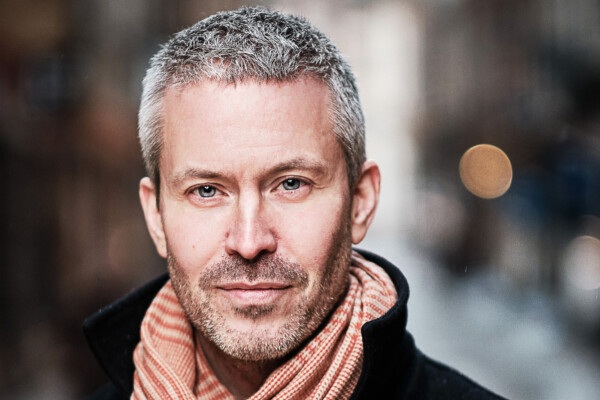
Björn Hedensjö is a licensed psychologist who runs a psychotherapy practice in Södermalm, Stockholm. He also co-hosts the podcast Dumma människor (Stupid People) alongside Lina Thomsgård, Sweden’s largest (and perhaps funniest) science podcast.
Björn previously worked as Managing Editor at DN.se and has authored several books, including the acclaimed ‘Omtyckta människor’ (‘Likable People’). His latest book, ‘Resiliens: 9 nycklar för psykologisk motståndskraft’ (‘Resilience: 9 Keys to Psychological Resilience’), was published in 2025.
We took the opportunity to interview Björn Hedensjö and asked for his top tips on how to build your resilience!
Björn, you’ve written a book about resilience. What are its most important insights?
That we humans are a fairly robust species, and that we all have skills that help us through tough times — we just differ in how readily we can access them. In the book, I describe nine key skills that help us deal with crises and setbacks. It’s hard to say which matter most, but the foundation of resilience is self-awareness: recognising your patterns of behaviour and understanding how what’s happening around you affects what’s happening inside you.
If you can’t answer the question “How am I feeling right now?”, it’s difficult to answer “What do I need right now?” And without that understanding, it’s hard to respond in a way that’s constructive and suited to the challenge in front of you.
Can individuals and organisations learn to become more resilient?
Yes. All the skills I cover in the book can be developed, and there’s research documenting that. For example, we can get better at directing our attention, facing our fears, solving problems creatively and systematically, and tolerating not knowing how things will turn out.
One practical example is learning to let go of a little control in everyday life, rather than double-checking everything or trying to prepare for every possible eventuality. Resilient individuals help build resilient organisations, although individual resilience obviously can’t compensate for unreasonable working conditions, such as an excessive workload.
How do we distinguish between what we can actually influence and what simply leaves us feeling powerless as we scroll through the news?
By taking a cue from the Stoics of ancient Greece. Sit down and untangle that often rather vague cloud of worry. Sort your concerns into two columns: what can I influence in this situation, and what is beyond my control? Then focus on practical problem-solving. This simple exercise tends to work surprisingly well.
Taking a step in the right direction, however small, often helps ease worry. Much of our worry concerns entirely hypothetical scenarios: we don’t know whether what we fear will ever happen, and we have no influence over the outcome. No amount of turning it over in our minds will change what happens in the real world. That kind of unproductive, often distressing thinking is something we want to reduce, and there are effective ways to do that.
How can we actively strengthen our resilience in times of great uncertainty?
Start by not cutting out the things that help you feel well. When life gets demanding, the walk, the workout and dinner with friends are often the first things to go. I call this the vicious logic of stress: we remove opportunities to recharge just when we need them most. Make sure you keep making time for sleep, movement, relationships and things you enjoy.
I also talk about realistic optimism as a helpful outlook: don’t turn a blind eye to problems, threats or risks, but start from the belief that things can get better, and that you can play a part in making that happen. Try to direct your attention towards something positive now and then, even in difficult times. To a large extent, we shape the worlds we live in through what we choose to notice.
And let other people in. Resilience isn’t about never needing help. On the contrary, being able to ask for help is essential. And, contrary to what most people think, asking for help actually strengthens relationships!